
Dental Implants
Leading Dental Practice in Mackay, QLD
Mackay Family Dental is dedicated in helping you create the smile of your dreams with our specialised Dental Implants.
Process to perfection
Consultation and Assessment
Begin with a thorough examination to assess your oral health and suitability for dental implants.
Treatment Planning
Our skilled team designs a personalized treatment plan, considering your unique needs and desired outcome.
Implant Placement and Healing
Skilled oral surgeons place the implant post into the jawbone. Allow time for the implant to fuse with the jawbone during the healing phase.
Restoration Phase
Once healed, a custom-made crown is attached to the implant, providing a natural-looking and functional replacement tooth
Payment Plan Options
To make them affordable, we provide interest-free payment plans, ensuring your dental care accessibility.
Consult for Dental Implants in Mackay
Missing teeth can affect people in different ways. Some patients notice changes when eating. Others may feel the gap when speaking, smiling, or cleaning around the area. Over time, a missing tooth can also change how the surrounding teeth and bite behave, which is why it can be helpful to discuss replacement options early.
At Mackay Family Dental Clinic, we can help you with a calm and careful consultation before you can begin with the dental implants procedure and give an idea of the prices involved. We are here to understand your oral health, what has led to the missing tooth, and whether implant treatment may be appropriate for your individual situation.
Why Patients Choose Mackay Family Dental
Your comfort and input are of importance to us, and we ensure that you never feel pressured into unnecessary treatments. Our focus is on providing dental care that suits you and your needs. We take the time to explain your options so you can decide what you’re comfortable with.

Understanding Dental Implants
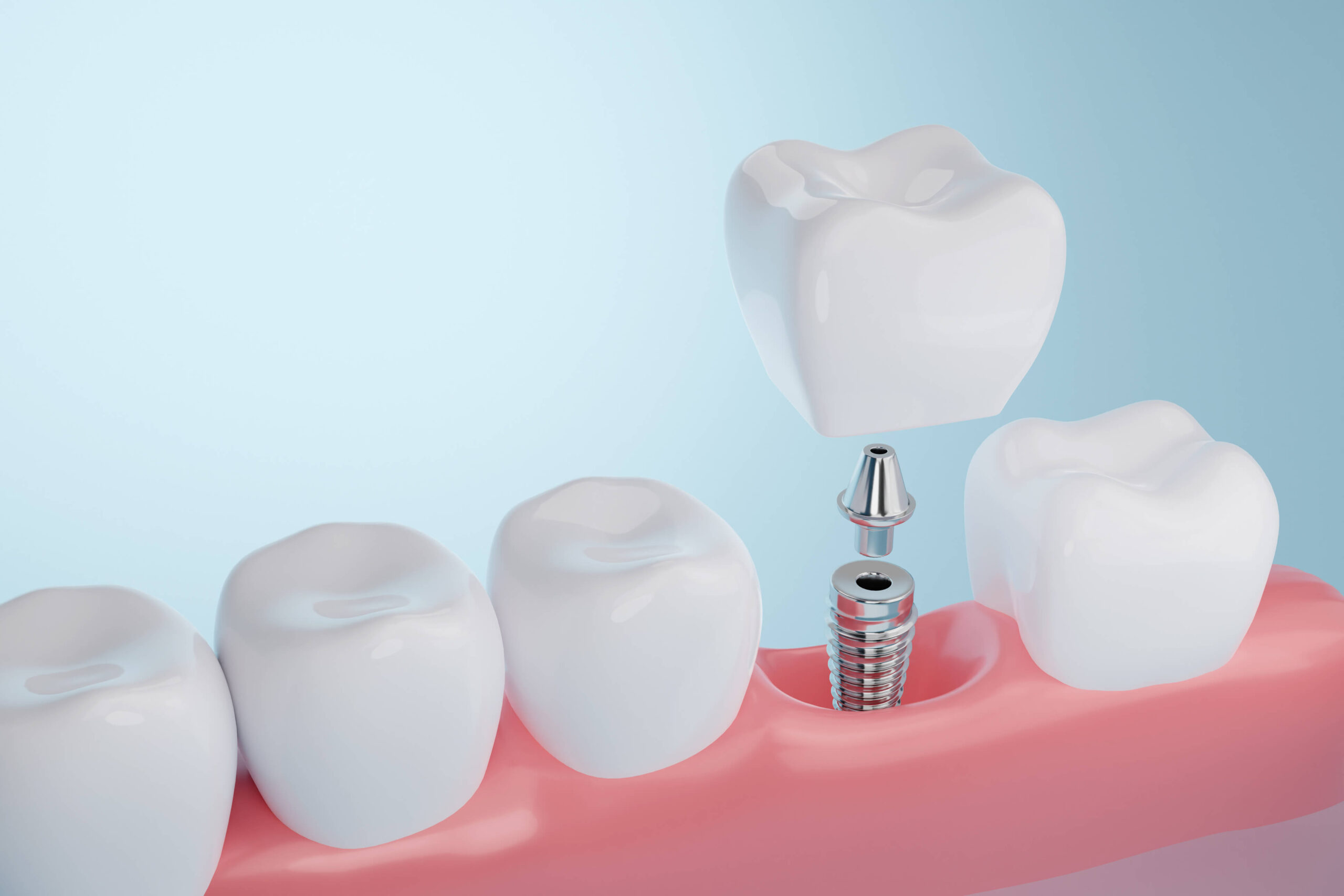
A dental implant is a small fixture, commonly made from titanium, that is placed into the jawbone. It is designed to act like an artificial tooth root. Once the area has healed, a replacement tooth can be attached to the implant through a connector piece called an abutment.
The visible part of the implant treatment is usually a crown, bridge, or denture, depending on how many teeth are being replaced. For example, a single implant may support one crown, while six implants may be used to support a larger restoration.
Although implants can be helpful for suitable patients, they are not the right option for everyone. Bone levels, gum health, medical conditions, smoking, oral hygiene, bite pressure, and previous dental history all need to be reviewed before treatment can be planned.
Why Implant Planning Is Different
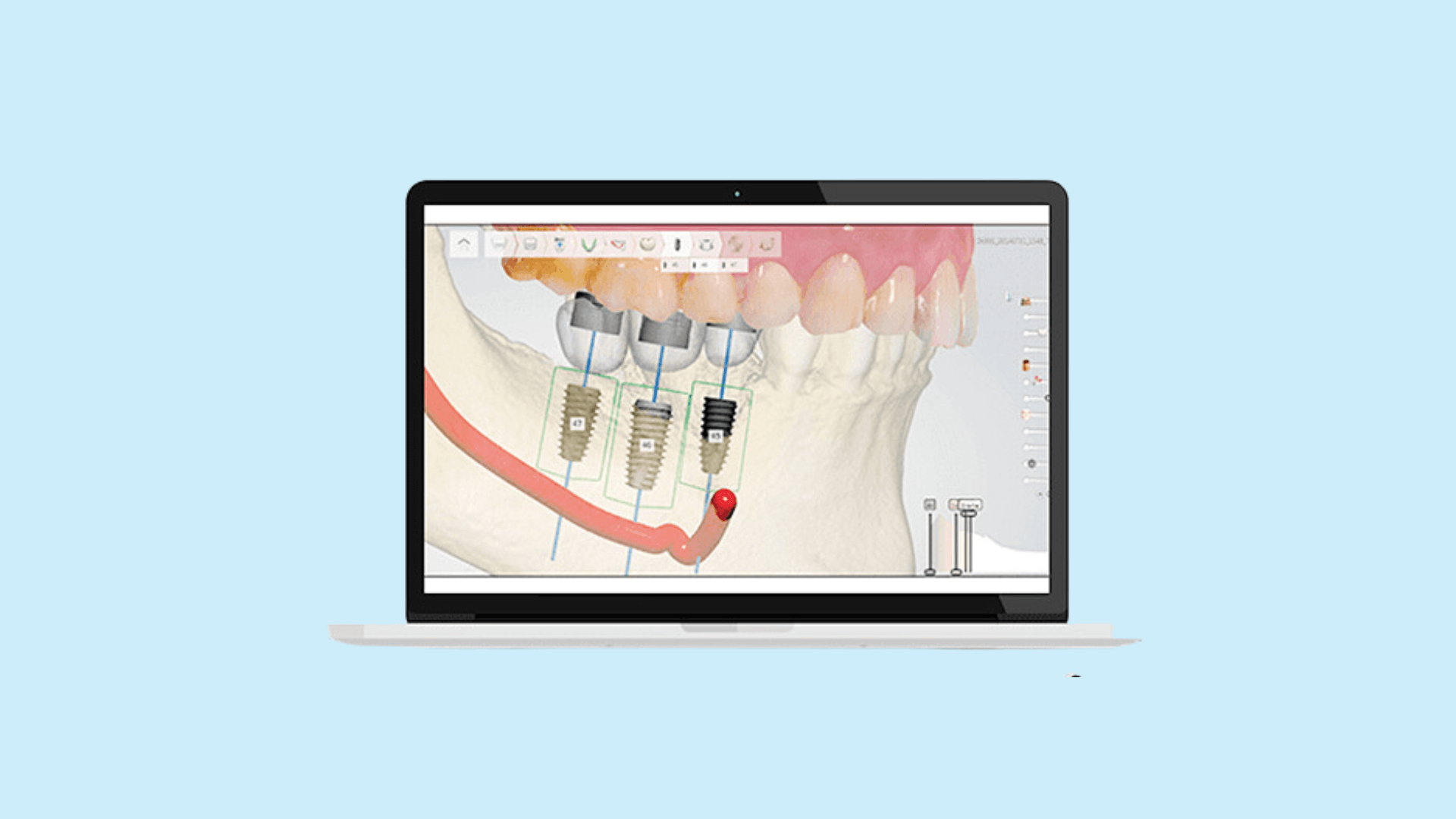
Dental implant treatment usually involves more planning than some other tooth replacement options because the implant needs support from the jawbone and surrounding gums. The dentist may need to assess the width, height, and quality of the bone before discussing whether an implant can be placed.
This may involve X-rays, 3D imaging, photographs, bite assessment, and a review of the teeth around the missing space. These records help show where the implant may be positioned and whether there are any concerns that need to be managed first.
In some cases, treatment may need to be staged. A patient may require tooth removal, gum treatment, bone grafting, or healing time before implant placement can be considered. In other cases, another replacement option may be more suitable.

What May Happen During the Implant Process
The implant process can vary from patient to patient. Generally, it begins with assessment and planning. If treatment is suitable, the implant fixture is placed into the jawbone during a surgical appointment.
After placement, the implant usually needs time to heal. During this stage, the bone and implant may integrate. This healing period is important and can take several months depending on the individual case, bone condition, and treatment plan.
Once healing has progressed, the implant can be reviewed before the final restoration is made. The replacement tooth is then designed to suit the bite, surrounding teeth, and appearance of the smile. The dentist will check how it fits and functions before completing the treatment.
What Can Affect Suitability for Dental Implants
Several factors can influence whether dental implants are suitable. Healthy gums are important because gum disease can affect the tissues that support teeth and implants. Good oral hygiene is also needed because implants still require cleaning and regular review.
Bone support is another important factor, if there is not enough bone in the area, additional procedures may need to be considered, or a different option may be discussed. Smoking, uncontrolled diabetes, some medications, immune conditions, and heavy clenching or grinding may also affect healing and long-term maintenance.
This is why a consultation is not only about whether a missing tooth can be replaced. It is also about whether the mouth is ready for implant treatment and what steps may be needed before moving ahead.

What Patients Should Know Before Deciding
Dental implant treatment involves surgery and healing, so it should be considered carefully. Possible risks may include swelling, bleeding, discomfort, infection, delayed healing, implant failure, gum recession, changes in sensation, sinus-related issues for some upper teeth, or the need for additional treatment.
The dentist will explain the risks that are relevant to your case before treatment begins. Patients should also understand that implant treatment takes time and may involve more than one appointment.
For some patients, dentures, bridges, or other restorative options may be more suitable. A clear discussion can help compare these choices properly and give you an idea about the costs involved.
Plan Your Dental Implants Procedure in Mackay and Surrounding Areas
For patients in Mackay and surrounding areas, including Andergrove, North Mackay, Glenella, Mount Pleasant, Rural View, and Blacks Beach, a consultation can be a helpful first step when considering dental implants.
At Mackay Family Dental Clinic, we will focus on your oral health, your concerns, and what may be suitable based on assessment. If a missing tooth is affecting eating, cleaning, or comfort, dental advice can help you understand the options available before deciding.
DISCUSS DENTAL IMPLANT OPTIONS
Surgical Notice
Any surgical or invasive procedure carries risks. Before proceeding, you should seek a second opinion from an appropriately qualified health practitioner.
Frequently Asked Questions
Are dental implants suitable for everyone?
No. Dental implants may not be suitable for every patient. Suitability depends on gum health, bone levels, medical history, smoking, oral hygiene, bite forces, and the condition of nearby teeth.
How long does dental implant treatment take?
The timeframe varies. Implant treatment may involve planning, surgery, healing, and final restoration stages. Some patients may also need additional preparation before an implant can be placed.
Is a dental implant the same as a natural tooth?
No. A dental implant is an artificial replacement structure. It can support a crown, bridge, or denture, but it still needs regular cleaning and maintenance.
Can I have an implant straight after a tooth is removed?
Sometimes this may be possible, but not always. It depends on infection, bone support, gum condition, tooth position, and the overall treatment plan.
Do dental implants need regular check-ups?
Yes. Dental implants should be reviewed regularly so the dentist can check the gums, bite, restoration, and surrounding tissues.
What happens if there is not enough bone for an implant?
If bone support is limited, the dentist may discuss additional procedures, referral, or other tooth replacement options such as a bridge or denture.