

Dental Bridges

Why Patients Choose Mackay Family Dental
Your comfort and input are of importance to us, and we ensure that you never feel pressured into unnecessary treatments. Our focus is on providing dental care that suits you and your needs. We take the time to explain your options so you can decide what you’re comfortable with.

What Dental Bridges Are and How They Work
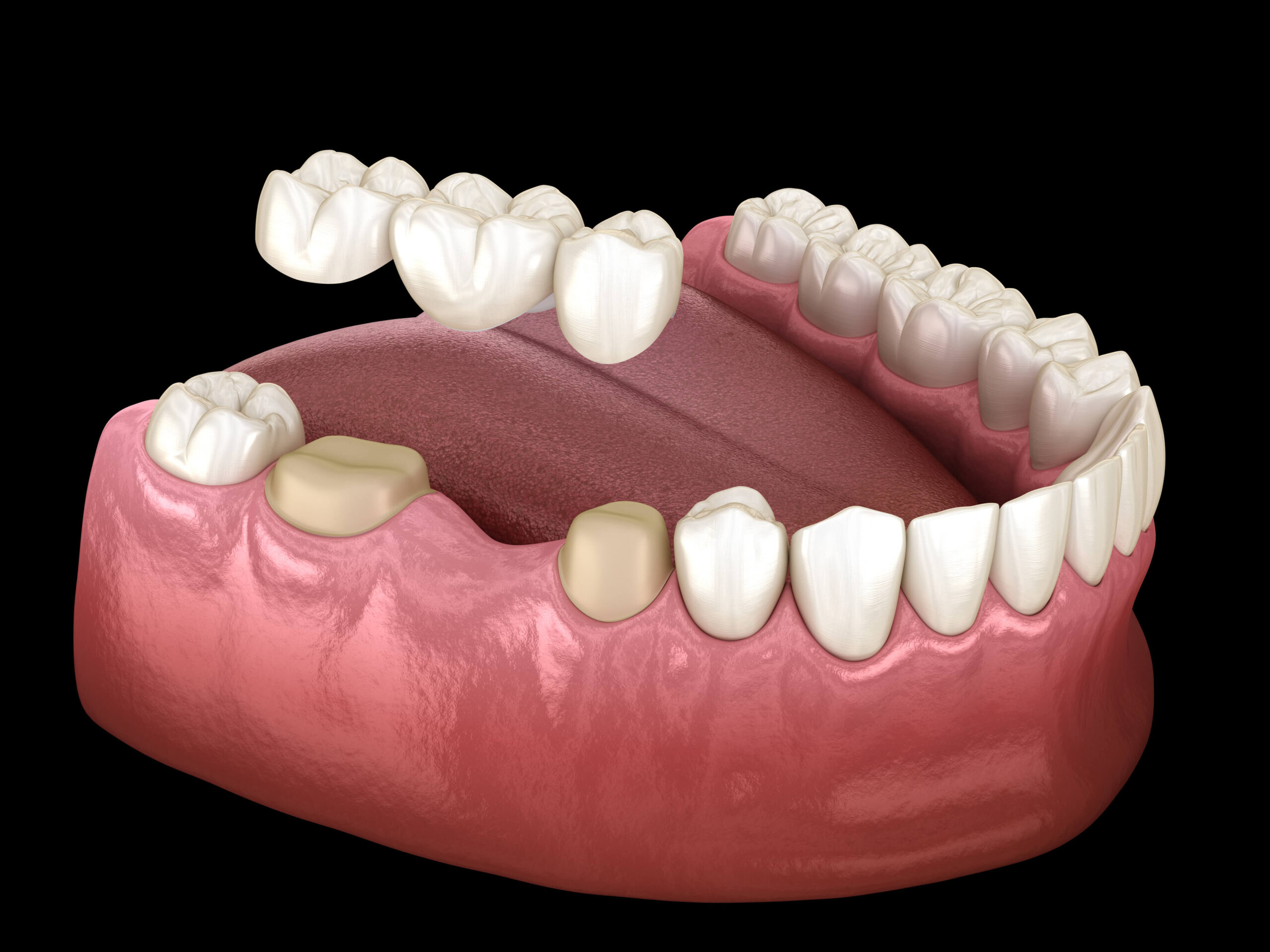
A dental bridge is a fixed dental restoration used to replace one or more missing teeth. It usually includes an artificial tooth, often called a pontic, that fills the gap. This replacement tooth is supported by custom-made crowns fitted over the prepared natural teeth on either side of the gap, or, in some cases, by dental implants.
Unlike a removable denture, a bridge is designed to stay in place once fitted. It may help restore chewing function, support the appearance of the smile, and reduce the chance of nearby teeth shifting into the empty space. However, a bridge is not suitable for every patient, and the health of the supporting teeth and gums needs to be checked first.
The right option depends on the position of the missing tooth, the number of teeth missing, the strength of nearby teeth, the bite, gum health, and the patient’s long-term oral health needs.
Understanding the Different Types of Dental Bridges
There are different types of dental bridges, and the most suitable design depends on the patient’s mouth.
- Traditional bridge: Supported by crowns placed over the teeth beside the gap. This is often discussed where the neighbouring teeth are strong enough to support the restoration.
- Resin-bonded bridge: sometimes called a Maryland bridge, may use a wing bonded behind the nearby tooth. This option can be more conservative in selected cases, often for front teeth, but it may not suit all bite patterns or chewing areas.
- Implant-supported bridge: may be considered when multiple teeth are missing and implants are suitable. This involves implant assessment and may require more planning, healing time, and review.

What Dental Bridge Treatment May Involve
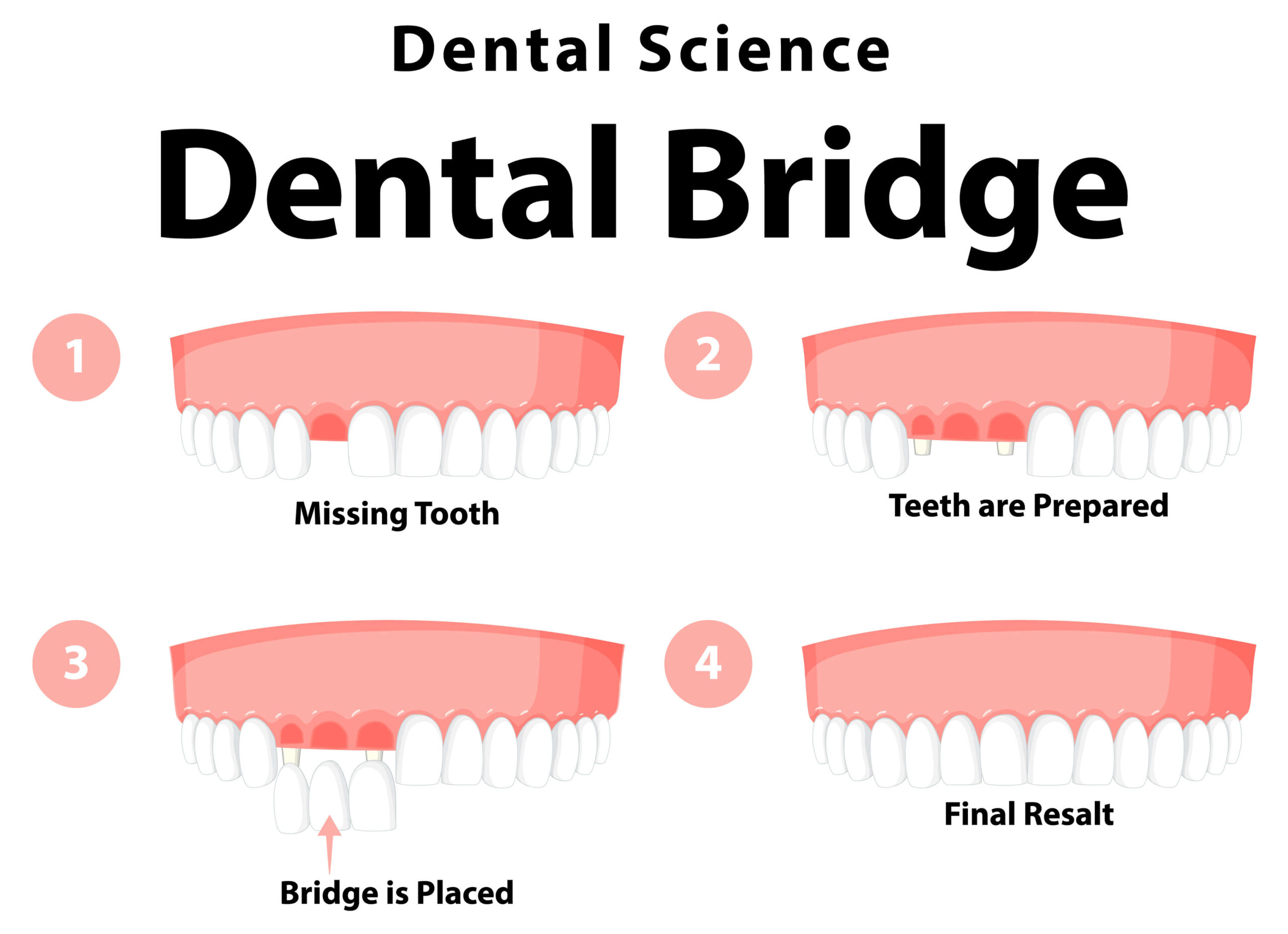
The dental bridge process can vary depending on the type of bridge being made. For a traditional bridge, the supporting teeth are usually prepared so crowns can fit over them. A digital scan or impression may then be taken so the bridge can be made to match the space and bite.
A temporary bridge may be placed while the final bridge is being made. Once ready, the final bridge is checked for fit, comfort, shade, and bite before being bonded or cemented into place.
For resin-bonded or implant-supported bridges, the steps may be different. The dentist will explain the likely sequence based on the selected option and the patient’s oral health.
What Patients Should Understand Before Treatment
Dental bridges can be helpful in suitable cases, but they still need careful planning and ongoing care. Possible risks may include sensitivity, decay around supporting teeth, gum irritation, bridge loosening, chipping, bite discomfort, or the need for repair or replacement over time.
Cleaning is also important. Although the replacement tooth is not natural, the gums and supporting teeth still need daily care. Patients may need special floss, interdental brushes, or other cleaning aids to clean underneath and around the bridge.
A bridge does not remove the need for routine dental visits. Regular reviews can help check the bridge, supporting teeth, gums, and bite.

We Can Discuss Your Dental Bridge Options
At Mackay Family Dental Clinic, the discussion usually begins with what the patient has noticed, how long the tooth has been missing, and what the examination shows. From there, the dentist can explain whether a bridge, implant, denture, or another option may be suitable.
This helps patients understand why a dental bridge is being considered and whether it fits their oral health, comfort, and long-term needs.

Get Help for Dental Bridges in Mackay and Surrounding Areas
For patients across the Mackay region, including North Mackay, Andergrove, Glenella, Mount Pleasant, Rural View, and Blacks Beach, getting advice before replacing a missing tooth can make the decision easier to manage.
If you have a missing tooth or an existing gap that is affecting chewing, cleaning, or confidence, an assessment can help explain what may be happening and what treatment options may be suitable.