

Wisdom Tooth Removal

Why Patients Choose Mackay Family Dental
Your comfort and input are of importance to us, and we ensure that you never feel pressured into unnecessary treatments. Our focus is on providing dental care that suits you and your needs. We take the time to explain your options so you can decide what you’re comfortable with.

Signs That Wisdom Teeth May Need Assessment
Wisdom teeth can be quiet for a long time before they cause noticeable symptoms. However, certain changes may suggest it is time to seek dental advice.
Common reasons people ask about wisdom teeth include pain at the back of the jaw, swelling around the gum, difficulty opening the mouth, repeated bad taste or bad breath, tenderness when chewing, or pressure near the neighbouring teeth. Some patients may also notice that the gum partly covers the tooth, making the area difficult to brush.
In some cases, problems are found before symptoms become obvious. Dental X-rays may show whether the wisdom teeth are angled, impacted, close to other teeth, or positioned near important structures. This information helps the dentist explain whether monitoring is reasonable or whether removal should be discussed.

Why a Consultation Comes First
A wisdom teeth removal consultation in Mackay could be useful because the procedure may not be the same for every patient. Some wisdom teeth can be removed in a straightforward dental appointment. Others may be more complex because of their angle, root shape, depth in the jaw, or closeness to nerves or sinuses.
During an assessment, the dentist may examine the mouth, discuss symptoms, review medical history, and recommend X-rays if needed. This helps show whether the wisdom teeth are fully erupted, partly erupted, or impacted.
The consultation may also cover possible options. These could include ongoing monitoring, cleaning and managing gum inflammation, removing one or more wisdom teeth, or referring to an oral surgeon for more complex cases. This approach gives patients time to understand what is being recommended and why.

What Wisdom Teeth Removal May Involve
Wisdom teeth removal is a dental procedure where one or more wisdom teeth are taken out when clinically appropriate. The exact process depends on the tooth position and complexity of the case.
For a simpler extraction, the tooth may be loosened and removed under local anaesthetic. If the tooth is impacted or partly trapped under gum or bone, the procedure may be more involved. In some cases, the gum may need to be opened, or the tooth may need to be sectioned before removal. Where the case is complex, referral to an oral surgeon may be discussed.
Before treatment, the dentist will usually explain what is involved, what the expected recovery may look like, and what risks should be considered. These risks can include swelling, bleeding, discomfort, dry socket, infection, delayed healing, or temporary changes in sensation, depending on the individual case.
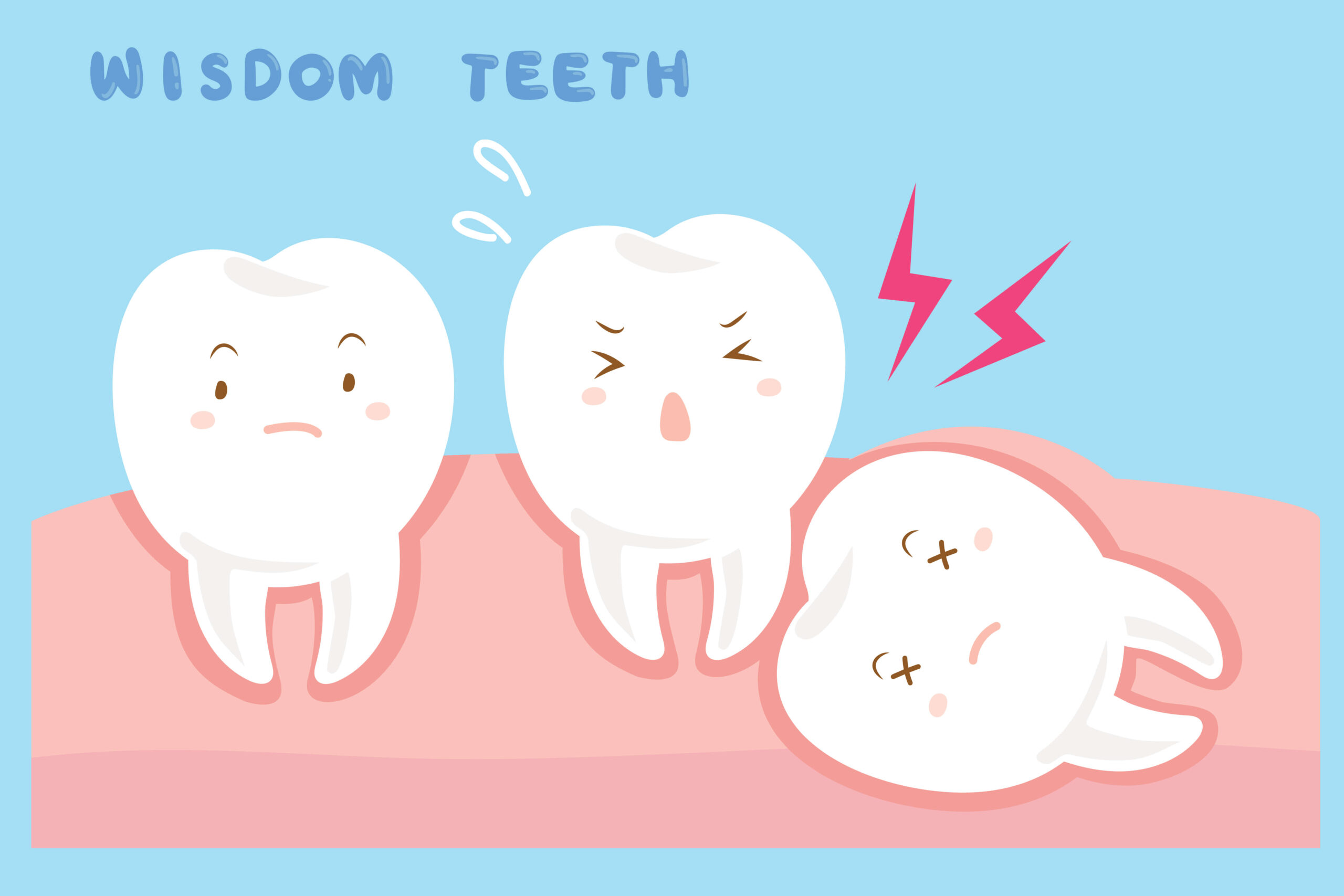
We Can Discuss Your Wisdom Teeth Removal
At Mackay Family Dental Clinic, the discussion generally begins with what the patient has noticed, how long symptoms have been present, and what the examination shows. From there, possible options can be explained in a way that is easy to follow.
This helps patients understand whether wisdom teeth removal is being considered because of pain, infection risk, decay, gum problems, tooth position, or another clinical factor.